


治験の統括報告書の構成と内容に関するガイドライン
平成8年5月1日 薬審第335号
各都道府県衛生主管部(局)長あて 厚生省薬務局審査課長通知
STRUCTURE AND CONTENT OF CLINICAL STUDY REPORTS
Recommended for Adoption at Step 4 of the ICH Process on 30 November 1995 by the ICH Steering Committee
11. 有効性の評価
11.1 解析したデータセット
有効性の各解析に採用した患者を正確に定義すること。例えば,治験薬を投与された全ての患者,有効性に関する何らかの観察が行われたか又は一定の最小限の数の観察が行われた全ての患者,治験を完了した患者のみ,特定の時間範囲内に観察が行われた全ての患者,規定された程度に服薬遵守した患者のみなど。治験実施計画書に定義がない場合は,解析したデータの採用・除外基準が,いつ(開鍵との関連において),どのようにして設けられたのかを明らかにすること。申請者の提案した主たる解析が,たとえデータのそろった患者に限定した部分集団に基づいたものであったとしても,有効性の検証を意図した治験においては,原則として無作為化した(又は組み入れた)全患者の中で何らかの治療中のデータのある全ての患者を対象とした解析を行い,それを追加すること。
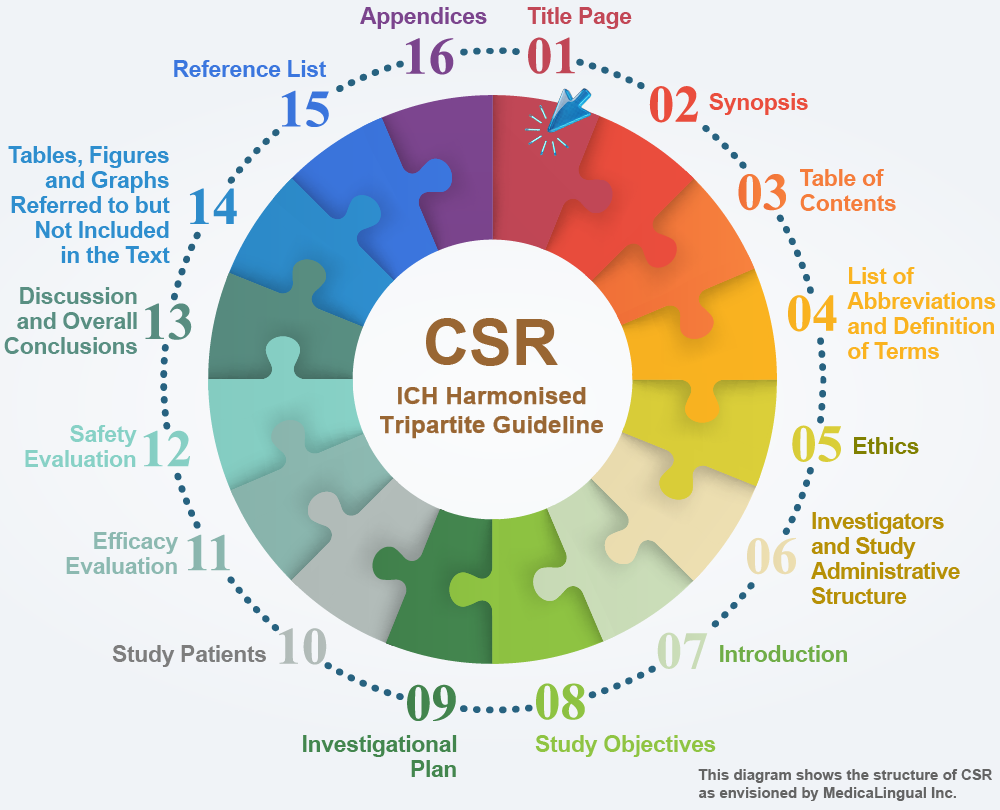
11. EFFICACY EVALUATION
11.1 DATA SETS ANALYSED
Exactly which patients were included in each efficacy analysis should be precisely defined, e.g., all patients receiving any test drugs/investigational products, all patients with any efficacy observation or with a certain minimum number of observations, only patients completing the trial, all patients with an observation during a particular time window, only patients with a specified degree of compliance etc. It should be clear, if not defined in the study protocol, when, (relative to study unblinding), and how inclusion/exclusion criteria for the data sets analysed were developed. Generally, even if the applicant’s proposed primary analysis is based on a reduced subset of the patients with data, there should also be for any trial intended to establish efficacy an additional analysis using all randomised (or otherwise entered) patients with any on-treatment data.
有効性の解析から除外した全ての患者,来院時点及び観察データを付録16.2.3の中で一覧表にすること(例として,本ガイドライン別添Ⅵを参照)。また,全ての治療群の全期間にわたって,除外理由も分析すること(例として,本ガイドライン別添Ⅶを参照)。
There should be a tabular listing of all patients, visits and observations excluded from the efficacy analysis provided in appendix 16.2.3 (see Annex VI of the guideline for an example). The reasons for exclusions should also be analysed for the whole treatment group over time (see Annex VII of the guideline for an example).
ガイドライン ― Q&A
解析したデータセット
Q11:「11.1解析したデータセット」の記述について留意すべきことを伺いたい。
A11:すべての解析において,その解析がどのデータセットを対象としてなされたかを報告書に明示することが重要である。また,データの一部を解析から除外した場合には,そのようなデータの選別がいつどのような手順で行われたかを説明する必要がある。
また,有効性の検証を意図した治験の検証対象となる事項の解析において,データの一部を解析から除外した場合には,例えば,服薬したすべての対象における解析や,使用可能なすべてのデータを用いた解析を追加して記載することが求められている。
***
11.2 人口統計学的及び他の基準値の特性
患者の特に重要な人口統計学的及び基準値の特性について,群別のデータを提示すること。同様に,治験期間中に発生した反応に影響を与えた可能性のある他の因子についてもこの節で提示すること。さらに,全ての関連する特性についての治療群間の比較可能性を表又は図を用いて14.1節に記述すること。「データのある全ての患者」の解析に用いた患者標本についてのデータを最初に示すこと。次に,例えば治験実施計画書に基づいた解析,その他の主たる解析に用いられた,例えば遵守状況,合併症・併用療法又は人口統計学的・基準値の特性により限定される他の患者群についてのデータを示すこと。このような患者群を用いるときは,補足的に除外された患者群のデータも示すこと。多施設共同治験においては,適切であれば,比較可能性を施設ごとに検討し,施設間で比較すること。
11.2 DEMOGRAPHIC AND OTHER BASELINE CHARACTERISTICS
Group data for the critical demographic and baseline characteristics of the patients, as well as other factors arising during the study that could affect response, should be presented in this section and comparability of the treatment groups for all relevant characteristics should be displayed by use of tables or graphs in section 14.1. The data for the patient sample included in the “all patients with data” analysis should be given first. This can then be followed by data on other groups used in principal analyses, such as the “per-protocol” analysis or other analyses, e.g., groups defined by compliance, concomitant disease/therapy, or demographic/baseline characteristics. When such groups are used, data for the complementary excluded group should also be shown. In a multicentre study where appropriate, comparability should be assessed by centre, and centres should be compared.
患者標本全体と他の全ての解析対象群との関係を表すダイアグラムを示すこと。
疾患の特性及び治験実施計画書にもよるが,特に重要な変数には,通常,下記疾患の項目が含まれる。
♦ 人口統計学的変数
-年齢
-性
-人種
♦ 疾患因子
-疾患ごとの組み入れ基準(一定でない場合),罹病期間,疾患の病期と重症度,並びに通常用いられるか又は予後因子として知られている他の臨床上の分類及び部分集団
-治験中に測定されるか又は予後や治療に対する反応の重要な指標とされている,特に重要な測定項目の基準値
-治験開始時の腎疾患,糖尿病,心不全などの合併症
-関連する過去の疾患
-当該治験で治療する疾患に関連する前治療
-経口避妊薬,ホルモン補充療法を含む治験期間中に継続された併用療法(用量が変更されたものも含む);治験期間へ入る際に中断された(又は治験開始時に変更された)治療
♦ 治療に対する反応に影響する可能性のある他の因子(例えば,体重,レニン系の状態,抗体水準,代謝系の状態)
♦ 他の関連すると考えられる因子(例えば,喫煙,アルコール摂取,特殊な食事)並びに女性に対しては,治験に関係する場合には月経状態及び閉経時期
A diagram showing the relationship between the entire sample and any other analysis groups should be provided.
The critical variables will depend on the specific nature of the disease and on the protocol but will usually include:
♦ demographic variables
– age
– sex
– race
♦ disease factors
– specific entry criteria (if not uniform), duration, stage and severity of disease and other clinical classifications and sub-groupings in common usage or of known prognostic significance
– baseline values for critical clinical measurements carried out during the study or identified as important indicators of prognosis or response to therapy
– concomitant illness at trial initiation, such as renal disease, diabetes, heart failure
– relevant previous illness
– relevant previous treatment for illness treated in the study
– concomitant treatment maintained, even if the dose was changed during the study, including oral contraceptive and hormone replacement therapy; treatments stopped at entry into the study period (or changed at study initiation)
♦ other factors that might affect response to therapy (e.g., weight, renin status, antibody levels, metabolic status)
♦ other possibly relevant variables (e.g., smoking, alcohol intake, special diets) and, for women, menstrual status and date of last menstrual period, if pertinent for the study.
これらの基準変数に関する各群のデータを表及び図を用いて提示すること。さらに,臨床検査値を含む個別の患者の人口統計学的データ及び基準値,並びに無作為化された全ての患者に対する全ての併用療法(多施設共同治験では治療ごと及び施設ごとの内訳)を患者ごとの一覧表にして付録16.2.4に添付すること。
In addition to tables and graphs giving group data for these baseline variables, relevant individual patient demographic and baseline data, including laboratory values, and all concomitant medication for all individual patients randomised (broken down by treatment and by centre for multicentre studies) should be presented in by-patient tabular listings in appendix 16.2.4. Although some regulatory authorities will require all baseline data to be presented elsewhere in tabular listings, the appendix to the study report should be limited to only the most relevant data, generally the variables listed above.
ガイドライン ― Q&A
人口統計学的特性
Q10:治験対象集団の人口統計学的特性とは,具体的に何を指すのか。
A10:人口統計学的特性とは,疾患の状態を直接には特定しないような治験対象集団の一般的な特性であって,人口統計の基礎的情報となるような因子を指す。本ガイドラインの序文には具体的に,「人口統計学的な(例えば,年齢,性,人種,体重の)部分集団や,その他(例えば,腎機能や肝機能)の部分集団に関するデータ」との表現がある。
***
11.3 治療の遵守状況の測定
各患者の治験中の治療方法の遵守状況及び体液中の薬物濃度の測定結果を要約し,治療群及び時間間隔ごとに分析し,さらに付録16.2.5として一覧表を添付すること。
11.3 MEASUREMENTS OF TREATMENT COMPLIANCE
Any measurements of compliance of individual patients with the treatment regimen under study and drug concentrations in body fluids should be summarised, analysed by treatment group and time interval, and tabulated in Appendix 16.2.5.
11.4 有効性に関する成績及び個別患者データ一覧表
11.4.1 有効性の解析
主要な有効性の測定値全て(主たるエンドポイント及び副次的エンドポイント;調査された全ての薬力学的エンドポイント)について治療群間で比較すること。同様に,各患者におけるリスク・ベネフィットの評価が行われていれば,それらについても比較すること。一般に,有効性の検証を目的とした試験では,治験実施計画書で計画した解析の結果及び治験中のデータのある患者を全て含めた解析の結果を示すこと。その解析では,治療間の差の大きさ(点推定)及びそれに伴う信頼区間を示すこと。また,仮説検定を実施したならば,その結果も示すこと。
11.4 EFFICACY RESULTS AND TABULATIONS OF INDIVIDUAL PATIENT DATA
11.4.1 ANALYSIS OF EFFICACY
Treatment groups should be compared for all critical measures of efficacy (primary and secondary end-points; any pharmacodynamic end points studied), as well as benefit/risk assessment(s) in each patient where these are utilised. In general, the results of all analyses contemplated in the protocol and an analysis including all patients with on-study data should be performed in studies intended to establish efficacy. The analysis should show the size (point estimate) of the difference between the treatments, the associated confidence interval, and where utilised, the results of hypothesis testing.
連続変数(例えば,平均血圧,抑うつ尺度評点)に基づく解析も,反応による分類(例えば,感染症の治癒)に基づく解析も,ともに妥当であり得る。両方ともに計画されており,実施されたならば,両方とも提示すること。もし,(統計解析計画にはない)新しい分類を作った場合には,それらの根拠について説明すること。たとえ一つの変数(例えば,血圧試験における×週目の臥位血圧)に主たる関心があるとしても,他の適切な測定値(例えば,立位血圧や他の特定の時点での血圧)についても少なくとも簡潔に評価すること。さらに,可能な限り反応の時間的経過を記述すること。多施設共同治験においては,適切であれば特に症例数の多い施設に関して,重要な変数についての施設ごとのデータの表示と解析を含めることにより,個々の施設の結果を正確に描写すること。
Analyses based on continuous variables (e.g., mean blood pressure or depression scale score) and categorical responses (e.g., cure of an infection) can be equally valid; ordinarily both should be presented if both were planned and are available. If categories are newly created, (i.e., not in the statistical plan) the basis for them should be explained. Even if one variable receives primary attention (e.g., in a blood pressure study, supine blood pressure at week x), other reasonable measures (e.g., standing blood pressure and blood pressures at other particular times) should be assessed, at least briefly. In addition, the time course of response should be described, if possible. For a multicentre study, where appropriate, data display and analysis of individual centres should be included for critical variables to give a clear picture of the results at each site, especially the larger sites.
有効性又は安全性の転帰について,主要な測定又は評価が複数のグループでなされた場合には(例えば,ある患者が急性心筋梗塞であったかどうかについて,治験責任医師と専門家委員会の双方から意見が出されるような場合),それらの評価間の全体的な差を示し,個々のどの患者が異なった評価を受けたかを明らかにすること。全ての解析においてどの評価を用いたかを明らかにすること。
If any critical measurements or assessments of efficacy or safety outcomes were made by more than one party (e.g., both the investigator and an expert committee may offer an opinion on whether a patient had an acute infarction), overall differences between the ratings should be shown, and each patient having disparate assessments should be identified. The assessments used should be clear in all analyses.
多くの場合,有効性と安全性のエンドポイントを区別する(例えば,致死性の疾患の治験における死亡など)ことは難しい。以下に示した原則の多くを主要な安全性の評価項目においても適用すること。
In many cases, efficacy and safety endpoints are difficult to distinguish, (e.g., deaths in a fatal disease study). Many of the principles addressed below should be adopted for critical safety measures as well.
ガイドライン ― Q&A
統計的推定の重視
Q12:「11.4.1有効性の解析」において信頼区間の記述が求められているが?
A12:統計的検定だけではなく,推定に重点がおかれていることが本ガイドラインの特徴の一つである。ガイドライン本文に「主要な有効性の測定値全てについて治療群間で比較すること」とあるが,その際は,点推定値(例えば,有効率,平均値など)とその信頼区間を示し,さらに検定を実施した場合には,検定結果(p 値等)も併せて示していただきたい。すなわち,検定の結果としてのp 値だけではなく,要約統計量や基礎的な統計量の記述を要求していることが重要である。
***
11.4.2 統計・解析上の論点
臨床及び統計の審査官用に,報告書の本文中に用いた統計解析方法を記述し,統計手法の詳細な文書(別添Ⅷを参照)を付録16.1.9として添えること。用いた解析方法,人口統計学的測定値若しくは基準値,又は併用療法についてなされた調整,脱落や欠測値の取扱い,多重比較に対する調整,多施設共同治験に対する特別な解析及び中間解析に対する調整を含む,解析の重要な側面について考察すること。盲検解除後になされた解析上の全ての変更点を明確にすること。
一般的な考察に加えて,下記の個々の論点を(該当するものについて)述べること。
11.4.2 STATISTICAL/ANALYTICAL ISSUES
The statistical analysis used should be described for clinical and statistical reviewers in the text of the report, with detailed documentation of statistical methods (see section Annex IX) presented in appendix 16.1.9. Important features of the analysis including the particular methods used, adjustments made for demographic or baseline measurements or concomitant therapy, handling of drop-outs and missing data, adjustments for multiple comparisons, special analyses of multicentre studies, and adjustments for interim analyses, should be discussed. Any changes in the analysis made after blind-breaking should be identified.
In addition to the general discussion the following specific issues should be addressed (unless not applicable):
11.4.2.1 共変量による調整
人口統計学的測定値若しくは基準値,併用療法,又はその他の共変量若しくは予後因子の選択及びそれらによる調整を報告書中に説明し,調整の方法,解析結果及びそれらを裏付ける情報(例えば,共分散分析又はCox回帰の出力結果)を統計手法に関する詳細な文書中に含めること。これらの解析に用いられた共変量又は方法が治験実施計画書で計画されたものと違っていた場合には,それらの違いについて説明し,可能であり適切な場合には,計画された解析の結果も提示すること。個々の総括報告書の問題ではなく,複数の治験成績を総合するときの問題であるが,共変量及び予後因子を考慮にいれた治験間をまたがる解析は,臨床的有効性データの総括において情報をもたらす解析となり得る。
11.4.2.1 Adjustments for Covariates
Selection of, and adjustments for, demographic or baseline measurements, concomitant therapy, or any other covariate or prognostic factor should be explained in the report, and methods of adjustment, results of analyses, and supportive information (e.g., ANCOVA or Cox regression output) should be included in the detailed documentation of statistical methods. If the covariates or methods used in these analyses differed from those planned in the protocol, the differences should be explained and where possible and relevant, the results of planned analyses should also be presented. Although not part of the individual study report, comparisons of covariate adjustments and prognostic factors across individual studies may be an informative analysis in a summary of clinical efficacy data.
11.4.2.2 脱落又は欠測値の取扱い
脱落率に影響を及ぼす可能性のある種々の因子がある。これらには,治験期間の長さ,疾患の性質,治験薬の有効性及び毒性並びに治療と関連しない他の因子が含まれる。治験から脱落した患者を無視し,治験を完了した患者のみから結果を導くことは誤った評価を与える可能性がある。しかしながら大量の脱落は,たとえそれらを解析に含めたとしても偏りが生じる可能性があり,一方の治療群に多くの早期脱落があった場合,又は脱落の理由が治療若しくは結果に関連している場合は,特にその可能性が高い。早期脱落の影響の程度だけでなく,時には偏りがどちらの方向に作用するかということでさえ判断が困難なことがあるが,可能性がある影響はできる限り十分に検索すること。観察された症例を各種の時点について検討すること,あるいは脱落が高頻度であった場合には,多数の患者がまだ観察されており,なおかつ薬剤の作用が十分に発現しているような時点の解析に注目することが役立つこともある。このような不完備なデータを評価するためのモデル化の方法を吟味することも役立つこともあろう。
治験の結果は,治験を完了した患者という部分集団についてのみでなく,無作為化された全ての患者集団,又は少なくとも治験中の測定値のある全ての患者についても評価すること。脱落の影響を分析する際には,脱落理由,脱落時期,及び各種の時点における各治療群の脱落例の割合などの種々の因子を考慮し,治療群間の比較をする必要がある。
欠測値の取扱いの手順,例えば推定値又は計算によって求めた値の利用を記述すること。そのような推定又は計算がどのようになされたか,そしてどのような仮定をおいたかを詳細に説明すること。
11.4.2.2 Handling of Dropouts or Missing Data
There are several factors that may affect dropout rates. These include the duration of the study, the nature of the disease, the efficacy and toxicity of the drug under study, and other factors that are not therapy related. Ignoring the patients who dropped out of the study and drawing conclusions based only on patients who completed the study can be misleading. A large number of dropouts, however, even if included in an analysis, may introduce bias, particularly if there are more early dropouts in one treatment group or the reasons for dropping out are treatment or outcome related. Although the effects of early dropouts, and sometimes even the direction of bias, can be difficult to determine, possible effects should be explored as fully as possible. It may be helpful to examine the observed cases at various time points or, if dropouts were very frequent, to concentrate on analyses at time points when most of the patients were still under observation and when the full effect of the drug was realised. It may also be helpful to examine modelling approaches to the evaluation of such incomplete data sets.
The results of a clinical trial should be assessed not only for the subset of patients who completed the study, but also for the entire patient population as randomised or at least for all those with any on-study measurements. Several factors need to be considered and compared for the treatment groups in analysing the effects of dropouts: the reasons for the dropouts, the time to dropout, and the proportion of dropouts among treatment groups at various time points.
Procedures for dealing with missing data, e.g., use of estimated or derived data, should be described. Detailed explanation should be provided as to how such estimations or derivations were done and what underlying assumptions were made.
11.4.2.3 中間解析及びデータモニタリング
治験において蓄積途中のデータを解析することにより,それが公式なものか非公式なものかに関わらず,偏りの発生や第一種の過誤の増加が起こり得る。したがって,たとえ治療群が明らかにされていなくとも,公式なものであるか否か,事前に計画されていたか否かを問わず,治験参加者,治験依頼者側の担当者又はデータモニタリンググループにより実施された全ての中間解析を詳細に記述すること。そのような中間解析に対応させるための統計学的調整の必要性を記すこと。そのような中間解析に用いられた実施上の指示又は手順について記述すること。データモニタリンググループの会合の議事録,及びそのような会合で審議されたデータの報告,特に治験実施計画書の変更又は治験を早期終了へ導いた会合の議事録は有益であり,付録16.1.9に添付すること。盲検の解除をしないデータモニタリングであり,第一種の過誤を増加させないと考えられていても,それについて記述すること。
11.4.2.3 Interim Analyses and Data Monitoring
The process of examining and analysing data accumulating in a clinical trial, either formally or informally, can introduce bias and/or increase type I error. Therefore, all interim analyses, formal or informal, pre-planned or ad hoc, by any study participant, sponsor staff member, or data monitoring group should be described in full, even if the treatment groups were not identified. The need for statistical adjustment because of such analyses should be addressed. Any operating instructions or procedures used for such analyses should be described. The minutes of meetings of any data monitoring group and any data reports reviewed at those meetings, particularly a meeting that led to a change in the protocol or early termination of the study, may be helpful and should be provided in appendix 16.1.9. Data monitoring without code-breaking should also be described, even if this kind of monitoring is considered to cause no increase in type I error.
11.4.2.4 多施設共同治験
多施設共同治験とは,多くの施設(例えば,診療所,開業医,病院)において,共通の治験実施計画書を基に実施される単一の試験であり,集められたデータは全体として解析されるものである(これは,別々の試験から得られたデータ又は結果を事後的に統合することとは異なる)。しかしながら,例えば施設ごとに意味のある解析を行うに足る十分な症例数があるなど,適切な場合には,量的又は質的な治療-施設間交互作用の可能性を検討すること。施設間で極端な又は正反対の結果がみられたならば全て記載し,治験の実施,患者特性又は医療設備などが異なる可能性を考慮した上で論じること。治療の比較には,反応に関する施設間差を考慮した解析を含めること。全体としての解析が主たるものであるとしても,人口統計学的データ,基準値及びその後の測定データは,有効性のデータと同様に施設ごとに提示すること。
11.4.2.4 Multicentre Studies
A multicentre study is a single study under a common protocol, involving several centres (e.g., clinics, practices, hospitals) where the data collected are intended to be analysed as a whole (as opposed to a post-hoc decision to combine data or results from separate studies). Individual centre results should be presented, however, where appropriate, e.g., when the centres have sufficient numbers of patients to make such analysis potentially valuable, the possibility of qualitative or quantitative treatment-by-centre interaction should be explored. Any extreme or opposite results among centres should be noted and discussed, considering such possibilities as differences in study conduct, patient characteristics, or clinical settings. Treatment comparison should include analyses that allow for centre differences with respect to response. If appropriate, demographic, baseline, and post-baseline data, as well as efficacy data, should be presented by centre, even though the combined analysis is the primary one.
ガイドライン ― Q&A
多施設共同治験
Q13:多施設共同治験における施設間の成績の差異の検討の記載について伺いたい。
A13:施設と治療成績の間の交互作用についての考察を記載することが必要である。特に,施設ごとに意味のある統計解析を行うに足る十分な患者数がある場合,例えば1施設1群あたり10名を超えるような場合には,治療-施設間交互作用についての統計的検討結果を記載すること。
***
11.4.2.5 多重比較・多重性
実施される有意性検定の回数(比較回数)の増加に伴い,言い過ぎの誤りの確率が増す。主たるエンドポイント(結果の指標)が複数あった場合,特定のエンドポイントに対して複数の解析を行った場合,多くの治療群があった場合,又は患者集団のうちのいくつかの部分集団について検討した場合には,多重性の問題を認識していることを統計解析に反映すべきであり,第一種の過誤の水準に対して用いた統計学的調整を説明するか,又はそれらを不必要と考えた理由を述べること。
11.4.2.5 Multiple Comparison/Multiplicity
False positive findings increase in number as the number of significance tests (number of comparisons) performed increases. If there was more than one primary endpoint (outcome variable), more than one analysis of particular endpoint, or if there were multiple treatment groups, or subsets of the patient population being examined, the statistical analysis should reflect awareness of this and either explain the statistical adjustment used for type I error criteria or give reasons why it was considered unnecessary.
11.4.2.6 患者の「有効性評価の部分集団」の使用
服薬遵守の不良,来院しないこと,不適格であること又は他の理由により,利用可能なデータを持った患者を解析から除外することの影響について特別の注意を払うこと。先に述べたごとく,たとえ申請者が主たる解析として提案したものでないにしても,有効性の検証を意図した試験においては常に,利用可能な全データを用いた解析を実施すること。一般に,解析に対する患者集団の選択方法によらず試験の主要な結論が変わらないことを示すことは有益である。解析に用いる患者集団の違いによる結果の大きな差について,明確に考察すること。
11.4.2.6 Use of an “Efficacy Subset” of Patients
Particular attention should be devoted to the effects of dropping patients with available data from analyses because of poor compliance, missed visits, ineligibility, or any other reason. As noted above, an analysis using all available data should be carried out for all studies intended to establish efficacy, even if it is not the analysis proposed as the primary analysis by the applicant. In general, it is advantageous to demonstrate robustness of the principal trial conclusions with respect to alternative choices of patient populations for analysis. Any substantial differences resulting from the choice of patient population for analysis should be the subject of explicit discussion.
11.4.2.7 同等性を示すことを意図した実対照薬を用いた試験
実対照薬を用いた試験が,被験薬と実対照薬の間の同等性(あらかじめ設定された大きさ以上には差がないこと)を示すことを意図している場合は,主要なエンドポイントについて二つの薬剤を比較するために信頼区間を示し,これ以上劣っていては許容できないと予め設定した大きさと,その区間との関係を解析して示すこと。(実対照薬を用いた同等性デザインを使用するときに考慮すべき重要な点として9.2節を参照すること。)
11.4.2.7 Active-Control Studies Intended to Show Equivalence
If an active control study is intended to show equivalence (i.e., lack of a difference greater than a specified size) between the test drug/investigational product and the active control/comparator, the analysis should show the confidence interval for the comparison between the two agents for critical end points and the relation of that interval to the prespecified degree of inferiority that would be considered unacceptable. (See 9.2, for important considerations when using the active control equivalence design.)
11.4.2.8 部分集団の検討
もし試験の症例数が十分に多いならば,重要な人口統計学的測定値又は基準値で定義される部分集団について,異常に大きな又は小さな反応があるかどうか及び得られた結果について検討すること。例えば年齢,性若しくは人種別,重症度別若しくは予後因子による分類別,又は同一薬効群の薬剤による前治療歴別に効果を比較すること。これらの解析が,試験の規模が小さすぎるという理由で実施されなかったならば,その旨を記すこと。これらの解析は,部分集団についての検討を行わなければ効能が裏付けられないような試験の「救済」を意図するものではなく,他の試験で検討する価値のある仮説を示唆する,又は表示情報の充実,患者の選択,用量の選択などに役立つ可能性のあるものである。特定の部分集団における特定の効果についての仮説があらかじめある場合,その仮説とその評価は計画された統計解析に含まれるべきである。
11.4.2.8 Examination of Subgroups
If the size of the study permits, important demographic or baseline value-defined subgroups should be examined for unusually large or small responses and the results presented, e.g., comparison of effects by age, sex, or race, by severity or prognostic groups, by history of prior treatment with a drug of the same class etc. If these analyses were not carried out because the study was too small it should be noted. These analyses are not intended to “salvage” an otherwise non-supportive study but may suggest hypotheses worth examining in other studies or be helpful in refining labelling information, patient selection, dose selection etc. Where there is a prior hypothesis of a differential effect in a particular subgroup, this hypothesis and its assessment should be part of the planned statistical analysis.
ガイドライン ― Q&A
部分集団における検討
Q14:「11.4.2.8 部分集団の検討」において留意すべきことは何か。
A14:特定の部分集団における特定の効果について仮説を予めたてた場合は,その仮説及び解析を計画書の統計解析の項に含めることが必要である。一般に,その際は統計的な多重性の考察が必要になるであろう。
これに対し,事後的に実施した部分集団の検討結果は,その薬剤の申請上特徴の主張のために利用することはできない。例えば,特定の部分集団における用量調節情報とか,使用上の注意など,その薬剤の適正使用のために使用する情報であると解釈すべきであると考える。
***
ガイドライン ― 別添Ⅷ
11.4.2項- 「統計・解析上の論点」及び付録16.1.9の手引き
A. 統計学的考察
それぞれの主要な有効性の変数について実施した統計解析の詳細を付録に示すこと。詳細な報告書には少なくとも以下の情報を含めること。
a)解析の基礎にある統計的モデル。必要なら引用文献を用いて正確かつ完全に示すこと。
b)検定した臨床上の正確な主張の統計学用語による記述(例えば,帰無及び対立仮説の観点からの記述)。
c)効果の推定,信頼区間の設定などに適用した統計手法。適切な箇所に引用文献を含めること。
d)統計手法の適用の前提となる諸仮定。特に推論の妥当性を確認する必要があるときには,統計的に妥当な範囲で,そのデータが重要な仮定を満足していることを示すこと。申請者が広範な統計解析を実施した場合は,データを入手する以前にどの程度の解析を計画していたかを考慮することが必須である。もし計画していなかったならば,結論の根拠として用いた特定の解析手法の選択にあたって,どのように偏りを避けたのかを考察することが必須である。これは部分集団の解析を行う場合にきわめて重要である。なぜなら,もし実施した解析が前もって計画されていなかったならば,通常,その結果は確定的な結論の十分な根拠とはならないからである。
(ⅰ)データ変換が行われた場合には,変換データに基づく治療効果の推定量の解釈とともに,データ変換を選択した理論的根拠を示すこと。
(ⅱ)統計解析手順の選択の適切性及び統計的結論の妥当性に関する考察は,審査当局の審査官が再解析が必要かどうかを決定する際の指針となる。
e)審査当局の審査官が解析結果を迅速かつ容易に確認できるような書式に従った,検定統計量,帰無仮説の下での検定統計量の標本分布,検定統計量の値,有意水準(すなわちp 値)及び中程度の要約データ。p 値は片側検定又は両側検定のどちらかであるかを明記すること。片側検定を用いた場合は,その理論的根拠を示すこと。
例えば,2標本t 検定に関する資料は,t 統計量の値,その自由度,p 値,2標本の大きさ,各々の標本における平均値と分散及び合成された分散の推定値を含むこと。分散分析法により解析された多施設共同治験に関する資料には,要因として施設,治療法,それらの交互作用,誤差項及び合計欄を備えた分散分析表を最低限含めること。クロスオーバー試験については,投与順序,投与順序内の患者,各期の開始時の基準値,ウォッシュアウト期間とその長さ,各期における脱落,治療法,時期,治療法と時期の交互作用及び(要因の)合計に関する情報を含めること。個々の変動要因について,表には自由度,平方和,平均平方,適切なF 検定,p 値及び平均平方の期待値を含めること。
中程度の要約データは,それぞれの観察時期について,施設-治療の個々の組合わせ(又は投与順序のような他のデザイン上の特性)ごとに,人口統計学的データ及び反応データを平均又は他の方法で要約して示すこと。
B. 審査当局の審査官より要求されるデータ提出のための書式及び仕様
それぞれの比較対照治験の報告書においては,統計解析のために治験依頼者が使用した患者データのリスト(表)並びに結論及び主要な知見を裏付ける表が必要である。審査当局の統計審査のためにはこれらのデータリストが必要であり,治験依頼者に対してこれらの患者データの一覧表をコンピュータで読取り可能な方式で提出することが依頼されることもある。
***
11.4.3 個別反応データの作表
群の特性を示す表及び図に加えて,個別反応データ及び他の重要な治験に関する情報を表で示すこと。報告書の中に何を含めるべきかは,試験によって,また薬効群によって異なる。申請者は,可能であれば審査当局に相談してから,何を総括報告書の付録に含めるかを決めなければならない。何が報告書の付録に含まれているか,そして審査当局から要求された場合,何が要求に応じて利用可能であるかを報告書の中で示すこと。
11.4.3 TABULATION OF INDIVIDUAL RESPONSE DATA
In addition to tables and graphs representing group data, individual response data and other relevant study information should be presented in tables. Some regulatory authorities may require all individual data in archival case report tabulations. What needs to be included in the report will vary from study to study and from one drug class to another and the applicant must decide, if possible after consultation with the regulatory authority, what to include in appendix to the study report. The study report should indicate what material is included as an appendix, what is in the more extensive archival case report tabulations, if required by the regulatory authority, and what is available on request.
主要な有効性の測定又は評価(例えば,血液や尿の培養,肺機能検査,不整脈の頻度,全般的評価)が間隔をおいて繰り返される比較対照試験においては,報告書に添付されるデータ一覧表中に,個々の患者ごとに,患者の識別コード,基準値を含む主要な項目の全ての測定値又は観察値を含めること。これには,それらがいつ測定されたか(例えば,適切なら,治療開始後の日数及びその日の時刻),その時の薬剤・用量(役立つならmg/kgで表す),遵守状況の評価,及び測定若しくは評価時又はその近辺での併用療法も含めること。繰返し評価とは別に,反応例か非反応例かについての何らかの全般的評価(細菌学的に治癒か無効かなど)が含まれているなら,それも表に含めること。
For a controlled study in which critical efficacy measurements or assessments (e.g., blood or urine cultures, pulmonary function tests, angina frequency, or global evaluations) are repeated at intervals, the data listings accompanying the report should include, for each patient, a patient identifier, all measured or observed values of critical measurements, including baseline measurements, with notation of the time during the study (e.g., days on therapy and time of day, if relevant) when the measurements were made, the drug/dose at the time (if useful, given as mg/kg), any measurements of compliance, and any concomitant medications at the time of, or close to the time of, measurement or assessment. If, aside from repeated assessments, the study included some overall responder vs non-responder evaluation(s), (bacteriologic cure or failure), it should also be included.
主要測定値に加えて,表には,患者が有効性評価に採用されているかどうか(もし複数あるなら,どの評価に含まれるか)及び患者の服薬遵守に関する情報(収集した場合)を提示し,報告書に含まれている症例記録があるならば,その所在を明示すること。年齢,性,体重,治療された疾患(対象疾患が複数の試験の場合),及び疾患の病期又は重症度などの主要な基準値情報も有用である。主要な測定項目の基準値は,通常,それぞれの有効性測定の初期値として含まれる。
In addition to critical measurements, the tabulation should note whether the patient was included in the efficacy evaluation (and which evaluation, if more than one), provide patient compliance information, if collected, and a reference to the location of the case report form, if included. Critical baseline information such as age, sex, weight, disease being treated (if more than one in study), and disease stage or severity, is also helpful. The baseline values for critical measurements would ordinarily be included as zero time values for each efficacy measurement.
より広範囲の症例一覧表よりはむしろ,ここで述べる一覧表を総括報告書の付録16.2.6に含めること。なぜならば,この一覧表は統合された要約を裏付ける有効性のデータを示すからである。そのような詳細な表は審査の目的のためにはかさばる傾向があるが,より的を絞り込んだ表示の工夫が期待される。例えば,報告された測定値が多数あるなら,それぞれの患者の最も重要な測定値(例えば,ある来院時点の血圧値が他の値より重要なことがあるかもしれない)の一覧表として,1行か数行で要約した各々の患者の反応を示すことにより,治験における個々の患者の結果が概観できる。
The tabulation described should usually be included in appendix 16.2.6 of the study report, rather than in the more extensive case report tabulations required by some regulatory authorities, because it represents the basic efficacy data supporting summary tables. Such a thorough tabulation can be unwieldy for review purposes, however, and it is expected that more targeted displays will be developed as well. For example, if there are many measurements reported, tabulations of the most critical measurements for each patient (e.g., the blood pressure value at certain visits might be more important than others) will be useful in providing an overview of each individual’s results in a study, with each patient’s response summarised on a single line or small number of lines.
ガイドライン ― Q&A
統計的推定の重視
Q16:症例一覧表には2つの形式があるという理解でよいか
A16:一つの症例の情報をコンパクトに集めた形式(いわば症例記録の要約)と,複数の症例の情報を作表した形式(例えば,項目を横に,症例を縦に並べた表)の2通りの表があり,どの一覧表にどの形式を用いるべきかはガイドライン本文に示されている。
***
11.4.4 薬剤の用量,薬物濃度及びそれらと反応との関係
各患者により用量が異なる場合は,患者ごとの実際に投与された用量を示し,個々の患者の用量を一覧表にすること。用量-反応試験としてデザインされていない試験では,得られる用量-反応情報に限度があるかもしれないが,入手可能なデータからどのような情報が得られるかについて検討すること。用量-反応関係を検討する際,体重あたりの用量(mg/kg)又は体表面積あたりの用量(mg/m2)を計算することが役立つこともある。
11.4.4 DRUG DOSE, DRUG CONCENTRATION, AND RELATIONSHIPS TO RESPONSE
When the dose in each patient can vary, the actual doses received by patients should be shown and individual patient’s doses should be tabulated. Although studies not designed as dose-response studies may have limited ability to contribute dose-response information, the available data should be examined for whatever information they can yield. In examining the dose response, it may be helpful to calculate dose as mg/kg body weight or mg/m² body surface.
薬物濃度情報が利用できるならば,それらを一覧表にし(付録16.2.5),可能であれば薬物動態学的観点から分析し,反応と関連づけること。用量-反応又は濃度-反応を探索する試験のデザイン及び分析の手引きとして,ICH ガイドライン「新医薬品の承認に必要な用量-反応関係の検討のための指針」も参照することができる。
Drug concentration information, if available, should also be tabulated (Appendix 16.2.5), analysed in pharmacokinetic terms and, if possible, related to response. Further guidance on the design and analysis of studies exploring dose-response or concentration response can be found in the ICH Guideline “Dose-Response Information to Support Drug Registration”.
11.4.5 薬物―薬物及び薬物―疾患の相互作用
反応と併用療法,並びに反応と既往歴及び(又は)合併症との間に関連が認められた場合には,全て記述すること。
11.4.5 DRUG-DRUG AND DRUG-DISEASE INTERACTIONS
Any apparent relationship between response and concomitant therapy and between response and past and/or concurrent illness should be described.
11.4.6 患者ごとの表示
個々の患者データを一覧表の中で表示することが通常可能であるが,時には図形式の表示などで個々の患者プロフィールを示すことが役立つ。
例えば,特定のパラメータの時間的推移,その期間内の投薬量及び特定の事象(例えば,有害事象又は併用療法の変更)の時期を示してもよい。群の平均データが主たる解析結果である場合,このような「症例報告の抜き出し情報」にはあまり利点がないかもしれない。しかしながら,個々の反応の全般的評価が解析の主要な部分であるならば,役立つであろう。
11.4.6 BY-PATIENT DISPLAYS
While individual patient data ordinarily can be displayed in tabular listings, it has on occasion been helpful to construct individual patient profiles in other formats, such as graphic displays.
These might, for example, show the value of (a) particular parameter(s) over time, the drug dose over the same period, and the times of particular events (e.g., an adverse event or change in concomitant therapy). Where group mean data represent the principal analyses, this kind of “case report extract” may offer little advantage; it may be helpful, however, if overall evaluation of individual responses is a critical part of the analysis.
11.4.7 有効性の結論
有効性に関する重要な結論を簡潔に記述すること。その際,主たるエンドポイント,副次的なエンドポイント,あらかじめ特定した統計手法及びそれ以外の統計手法,並びに探索的解析の結果を考察すること。
11.4.7 EFFICACY CONCLUSIONS
The important conclusions concerning efficacy should be concisely described, considering primary and secondary end points, pre-specified and alternative statistical approaches and results of exploratory analyses.